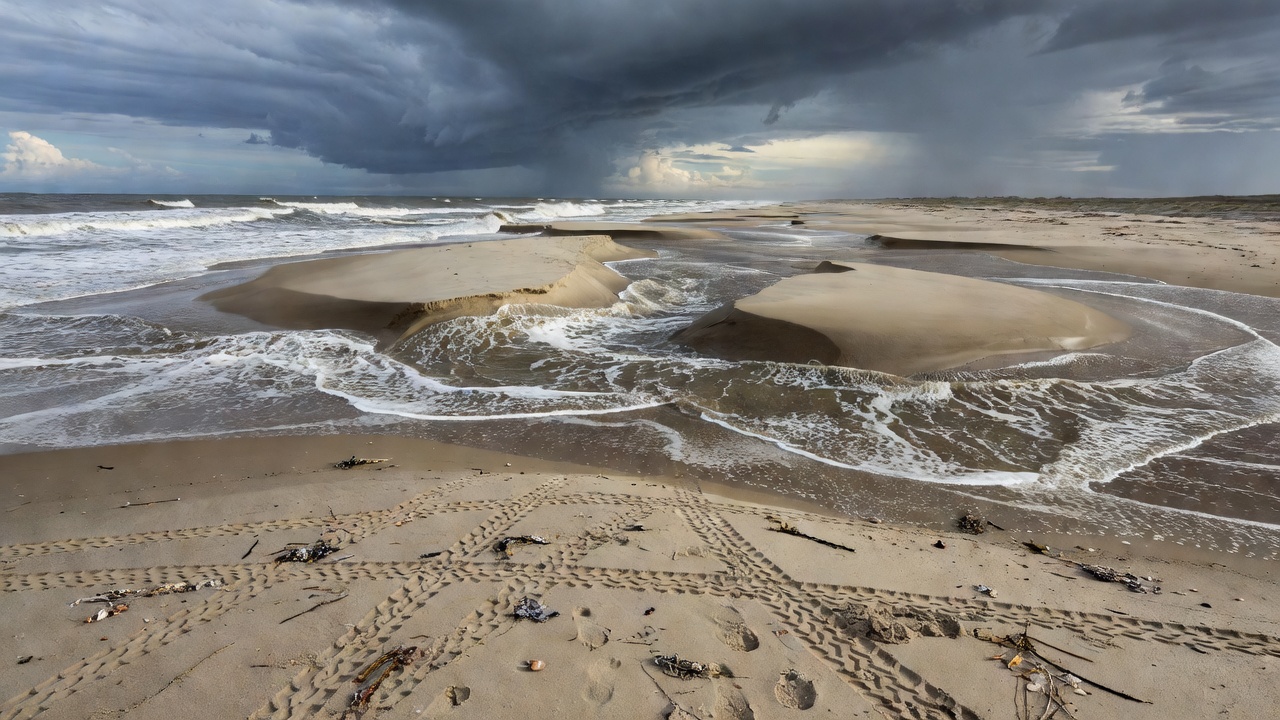
Coastal sandbars along the Atlantic coast have undergone significant transformations due to recent hurricane seasons. These dynamic features, which play a crucial role in protecting shorelines from erosion, are being reshaped by powerful storm forces. Scientists have been closely monitoring these changes to better understand the processes involved in sediment transport during extreme weather events.
Effects of High Winds and Waves
High winds and intense wave action during hurricanes transport large volumes of sediment. This movement can either build up or erode sandbars depending on the storm's path and intensity. Observations from the past decade indicate that sandbars often migrate offshore following major events like Hurricane Ian and Hurricane Fiona. The force of the waves can reach depths that affect sandbars located several meters below the surface.
Researchers note that the energy from these storms disrupts the equilibrium of sandbar systems. Sediment is lifted from the seabed and redeposited in new locations, altering the height and width of these underwater ridges. Data collected from buoys and underwater sensors show increased turbidity levels lasting weeks after a hurricane passes, indicating ongoing sediment suspension and settling.
Implications for Coastal Protection
The reshaping of sandbars has direct consequences for coastal communities. Sandbars act as natural barriers that reduce wave energy reaching the shore. When they are diminished, beaches become more vulnerable to flooding and erosion during subsequent storms. This can lead to property damage and the need for costly repairs to sea walls and other defenses.
Studies using satellite imagery and bathymetric surveys have documented these changes. In some areas, sandbars have shifted by hundreds of meters, creating new channels and altering local currents. This affects not only human infrastructure but also marine habitats that depend on stable sandbar environments. Fish populations and nesting sea turtles may experience disruptions as a result of these alterations.
Adaptation strategies are being considered by coastal engineers. These include beach nourishment projects to replenish lost sediment and monitoring programs to predict future sandbar movements. Understanding these dynamics is essential for effective coastal management in an era of increasing storm frequency. Continued research will help develop models that forecast sandbar responses to future hurricanes, aiding in preparedness efforts. Long-term monitoring is key to mitigating risks associated with these natural changes.